If you’ve ever wondered about the WordPress website cost for your business, you’re not alone.
One of the first questions most business owners ask before launching a website is:
“How much is this actually going to cost?”
The answer can feel confusing. One article says you can build a website for less than $100, while another suggests you need thousands before you can launch. By the time you’ve compared hosting providers, themes, plugins, and email platforms, what started as a simple project can quickly turn into weeks of research.
The reality is that the WordPress website cost for most businesses falls somewhere in the middle.
Whether you’re building a service-based website, an online store, a membership site, or a course platform, most WordPress websites share the same foundational pieces. Once you understand those essentials, it becomes much easier to estimate your budget and avoid paying for tools you don’t actually need.
I’ve seen many entrepreneurs delay their website launch because they were trying to choose the “perfect” hosting provider, theme, or email platform before getting started.
The truth is that most of those decisions aren’t permanent. You can upgrade, switch tools, and improve your website as your business grows.
In this guide, we’ll break down the real WordPress website cost, including the essential tools you’ll need, optional investments worth considering, and a realistic budget for launching your website.
PIN THIS POST FOR LATER!


1 | Domain Name
Your domain name is more than a website address. It’s part of your brand identity.
When someone hears about your business on a podcast, sees you on social media, or receives a referral, your domain is often what they’ll remember and type into their browser later.
A clear and professional domain helps establish credibility from the start and makes it easier for potential customers to find you.
Many new business owners spend far too much time trying to secure the “perfect” domain name. In reality, simple almost always wins. If your domain is easy to spell, easy to remember, and closely aligned with your business name, you’re already ahead of most websites.
For most businesses, a domain name costs between $10 and $20 per year, although many hosting providers include the first year free when purchasing a hosting plan.
Estimated Cost: $10–$20/year
Related post: How to Market Your Business Through PR & Podcasts
2 | Website Hosting
If your domain name is your website address, hosting is the land your website is built on.
Every image, blog post, sales page, and piece of content needs a place to live. Hosting provides the server resources that make your website accessible to visitors around the world.
This is often where website owners fall into research paralysis. It’s easy to spend days comparing hosting companies, reading reviews, and worrying about making the wrong decision.
The truth is that most new websites don’t need enterprise-level hosting.
A reliable hosting provider with strong uptime, good customer support, and WordPress compatibility is usually more than enough for a growing business. As your traffic increases, upgrading your hosting plan is relatively straightforward.
Instead of searching for the perfect hosting provider, focus on finding one that’s dependable and allows you to launch confidently.
Estimated Cost:
- Budget hosting: $50–$150/year
- Managed WordPress hosting: $200–$500+/year
Related post: 8 Questions to Ask When Choosing a WordPress Hosting Provider
3 | WordPress Theme
Your theme is responsible for the overall design, page layouts, navigation structure, and user experience visitors encounter when they land on your site.
One common misconception is that every professional website requires a custom design. While custom websites can be a great investment later, many businesses can launch successfully using a professionally designed WordPress theme.
The biggest advantage of using a premium theme isn’t just saving money—it’s saving time.
Instead of building every page from scratch, you’re starting with a strategic framework that’s already designed to guide visitors through your content and encourage action.
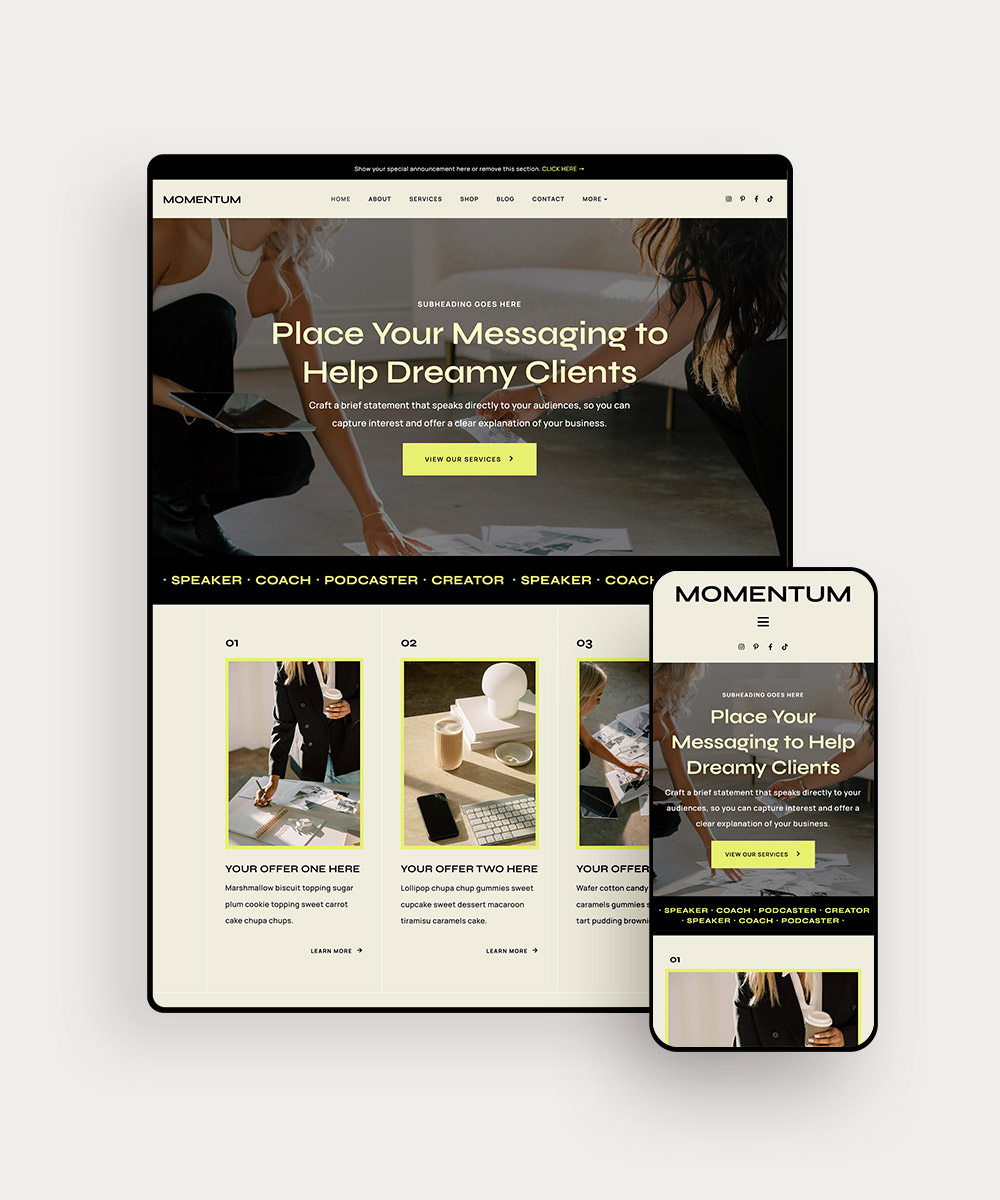
That’s one reason many entrepreneurs choose a premium WordPress theme from Bluchic. Rather than spending months planning layouts and design decisions, you can start with conversion-focused pages, proven website structures, and a polished design that’s ready to customize for your brand.
Estimated Cost:
- Free themes: $0
- Premium WordPress themes: $75–$300+
- Custom website design: $5,000+

4 | Plugins & Website Functionality
One reason WordPress powers such a large portion of the internet is its flexibility.
Through plugins, you can transform a basic website into an online store, membership platform, course hub, appointment booking system, lead generation machine, or all of the above.
Most websites only need a handful of essential plugins to get started. Common examples include a contact form plugin, an SEO plugin, and analytics tools to track website traffic and performance.
Additional functionality depends on your business model.
If you’re selling products online, you’ll likely need ecommerce functionality through WooCommerce or a checkout platform like ThriveCart.
If you’re running a membership site, you may need a membership plugin such as WishList Member. Alternatively, you might choose an external platform like Mighty Networks or Skool.
If you’re selling online courses, you may need a learning management system (LMS) plugin such as LearnDash, Tutor LMS, or LifterLMS. Others choose hosted platforms like Kajabi, Teachable, or Teachery to deliver their courses outside of WordPress.
The important thing to remember is that you don’t need every plugin available. Start with the functionality you need today. Additional features can always be added as your business grows.
Estimated Cost:
- Basic plugin setup: $0–$200/year
- Advanced functionality: $200–$1,500+/year
Related post: How to Create a Coming Soon Page That Builds Real Anticipation
5 | Email Marketing Platform
One tool many business owners overlook during a website launch is email marketing.
While social media and search engines can help people discover your business, email gives you a direct way to stay connected with potential customers long after they leave your website.
Whether someone downloads a free resource, joins your waitlist, or subscribes to your newsletter, email marketing helps you nurture relationships and drive future sales.
Fortunately, getting started doesn’t require a large investment. Platforms such as MailerLite, Kit, and Flodesk offer beginner-friendly plans that make it easy to start growing your audience from day one.
Estimated Cost:
- Beginner plans: $0–$30/month
- Growing businesses: $50–$150+/month
Related post: How to Get More Website Traffic Without Social Media
WordPress Website Cost Breakdown by Business Type
The total WordPress website cost depends largely on the type of business you’re building and the functionality you need. This is where WordPress website pricing can vary significantly from one business model to another.
For many service providers, a professional website can be launched with a relatively modest budget. Ecommerce stores, membership sites, and course platforms typically require additional tools, integrations, and software.
Here’s a realistic estimate for most businesses:
| Website Type | Typical First-Year Cost |
| Basic Service-Based Website | $150–$800+ |
| Growing Business Website | $500–$1,500+ |
| Ecommerce Website | $500–$3,000+ |
| Membership Website | $500–$2,000+ |
| Online Course Website | $500–$3,000+ |
The exact cost to build a website will vary based on your goals, tool choices, and whether you’re setting everything up yourself or hiring professional support.
The good news is that you don’t need every tool immediately.
Many successful businesses start with a simple website and expand their technology stack as revenue grows.

FAQs About WordPress Website Cost
Most small business websites cost between $150 and $800 to launch when using WordPress, depending on hosting, themes, plugins, and email marketing tools.
Yes. The WordPress software itself is free. However, you’ll still need to pay for essentials such as a domain name, hosting, premium themes, plugins, and other business tools.
Not always. Many businesses can launch using free plugins. Paid plugins become useful when you need advanced functionality such as ecommerce, memberships, course delivery, or marketing automation.
The timeline depends largely on how prepared you are with your content, branding, and images.
Using a professionally designed website template, many business owners can launch within a few days to a few weeks. More complex websites or custom design projects may take several months.
In most cases, yes. Many business owners delay launching because they’re trying to build the perfect website from day one. A simpler website that launches and starts generating leads is often far more valuable than a complex website that’s still sitting in development six months later.
Related post: 8 Business Coach Website Examples Built With Elementor
Final Thoughts on WordPress Website Cost
When it comes to WordPress website pricing, most businesses don’t need as much as they think they do.
The biggest mistake isn’t underestimating your website launch cost. It’s delaying your launch because you’re trying to make every decision perfectly before you begin.
A domain name, hosting plan, WordPress theme, a handful of essential plugins, and an email marketing platform are enough to get your website online and working for you.
As your business grows, your website can grow with it. That’s one of the biggest advantages of building on WordPress.
If you’re looking for a faster way to launch a professional website, explore our collection of WordPress themes designed specifically for service-based entrepreneurs.
With strategic layouts, conversion-focused pages, and easy customization, you can spend less time building your website and more time growing your business.