
You may be surprised to learn that the simplest funnel you can build is much less complicated than the funnels you’ve been reading about online.
You start looking into funnels, and suddenly you’re reading about automations, sequences, tagging, integrations, upsells, tripwires, and a handful of tools you’ve never heard of. If you hate tech, it’s enough to make you close the tab and decide you’ll figure it out another weekend.
The good news is that your first funnel can be much simpler than all of that.
At its core, a funnel is simply a path you create for someone who visits your website. They arrive interested in something you offer, take a specific next step, and then have an opportunity to continue the conversation with you.
That might mean downloading a free resource and eventually buying a product. It could mean booking a call after reading about your services. Or it could simply mean joining your email list so you can stay in touch.
And if you already have a WordPress website, you probably have more of the pieces you need than you realize.
PIN THIS POST FOR LATER!


What Is a Simple Sales Funnel?
A simple sales funnel gives someone a clear path from first finding you to taking the next step.
For example, someone might read a blog post, sign up for a free resource, receive a few helpful emails, and then discover a related paid offer.
The pages and tools themselves don’t have to be complicated. The important part is that they work together to guide someone forward.
If you’re already thinking about how your website can guide visitors toward specific actions, How to Get People to Take Action on Your Website is a helpful next read.
The Simplest Funnel You Can Build in a Weekend
For your first funnel, I’d keep things to four basic steps:
Opt-in page → Thank-you page → Email → Offer
Here’s what each step does and how it moves someone toward the next one.
1. Start With an Opt-In Page
Your opt-in page introduces your free resource, such as a checklist, guide, workbook, or mini training, in exchange for an email address.
Keep the page focused. Explain what the resource is, who it’s for, what it helps with, and how to get it. A clear headline, brief description, key benefits, signup form, and optional image are usually enough.
Let visitors know what happens next, whether the resource arrives by email or through a download page.
If you’re creating your first freebie, learn how to make an opt-in your audience actually wants.
Need a starting point? Use the free ChicSplendid Opt-In Page Template for Elementor and customize it for your offer.


2. Send Them to a Thank-You Page
After someone signs up, send them somewhere useful.
Your thank-you page can confirm that their signup worked and explain what happens next. If the free resource is being delivered by email, remind them to check their inbox.
This is also a good place to point them toward the next step, such as a related product, service, or helpful blog post.
Keep the page focused on one clear action so visitors won’t wonder where to go next.
3. Connect Your Email
Your email platform is what keeps the conversation going after someone joins your list.
Connect your opt-in form to your email platform so new subscribers are added automatically. Then set up the email that delivers your free resource.
Start with that basic delivery email and build out additional follow-up emails once your funnel is working.
Related post: What Email Marketing Can Do for Your Brand
4. Lead Them to an Offer
The final piece is giving people a clear next step if they want more help.
This could be a template, course, service, workshop, membership, or another paid product.
Ideally, your offer connects naturally to the free resource that brought them into the funnel.
If your free resource helps someone plan their website, for example, a website template could be a natural next step. If your freebie teaches someone how to organize their content, a paid content planning product could help them put that knowledge into practice.
The connection doesn’t have to be complicated.
The free resource helps with one problem, and the paid offer helps the customer take the next step.
That’s the whole basic funnel. You don’t need a complicated automation system, a dozen integrations, or paid ads to get started. You need these few pieces connected well enough that someone can move from free resource to paid offer without getting lost.


What You Need for the Simplest Funnel You Can Build
This is where it’s easy to collect tools instead of building the funnel.
You don’t need a huge tech stack to get started. You need a website, an email marketing platform, a way to accept payment if you’re selling something, and a way to deliver the product or service.
Your WordPress Website
Your website gives you somewhere to create the pages your funnel needs.
You might have an opt-in page, thank-you page, sales page, and checkout or payment page. Depending on what you’re selling, some of these may be handled by a plugin or third-party service rather than being regular WordPress pages.
The important thing is that your website provides the home base for the funnel.
Your Email Platform
Your email marketing platform collects subscribers and sends your follow-up emails.
The basic flow is straightforward: someone fills out your form, their information is added to your email list, and they receive the email or sequence you’ve set up.
Your specific setup will depend on the email platform you use, but you don’t need to understand every available feature before you can get started.
Your Payment and Delivery Tools
If you’re selling something, you’ll need a way for customers to pay and receive what they purchased.
For a digital product, this might be an automatic download link or an email with access instructions. For a service, it could be a confirmation email explaining how to schedule or get started.
Choose the simplest system that handles payment and delivers what your customer purchased.
Once everything is connected, test the funnel yourself from beginning to end. Submit the form, check the email, click the important links, and test checkout and delivery so customers don’t encounter broken buttons or missing purchases.
Related post: From Freebie to Paid Offer: Creating an Irresistible Sales Funnel
Frequently Asked Questions
Your website collects the signup, while your email platform stores the subscriber and sends the follow-up emails. When someone fills out your form, their information is passed to your email platform so you can deliver the free resource and continue the conversation.
A simple funnel might look like this: blog post → opt-in page → thank-you page → email delivery → follow-up email → paid offer → checkout → delivery. The exact steps can change depending on what you’re selling, but the basic idea is to give someone a clear path forward.
No. You can start with a basic email that delivers your free resource and add more automation later. Once your funnel is working, you can build additional sequences if your business needs them.
Yes. Your funnel can bring people in from your blog, Pinterest, social media, referrals, your existing email list, or other organic traffic sources. You don’t need paid ads to create a useful path for the people already visiting your website.
You can start by growing your email list with a useful free resource. Your subscribers can also help you spot future product ideas through the questions they ask and the topics they want more help with.
Common problems include trying to build too much at once, adding unnecessary tools, sending everyone to your homepage, and forgetting to test the customer journey. For a deeper look, check out these five sales funnel mistakes to avoid.
Your First Funnel Doesn’t Need to Be a Big Project
The simplest funnel you can build in a weekend can be surprisingly small.
Choose one useful free resource and create a focused opt-in page for it. Connect the form to your email platform, create a thank-you page, write a few helpful emails, and decide what related offer you want to introduce next.
That’s enough to give someone a clear path through your website.
You can make the funnel more sophisticated later when you have more customers, more products, and a better understanding of what your audience responds to.
And if designing the pages is the part that’s slowing you down, you don’t have to start with a blank screen.


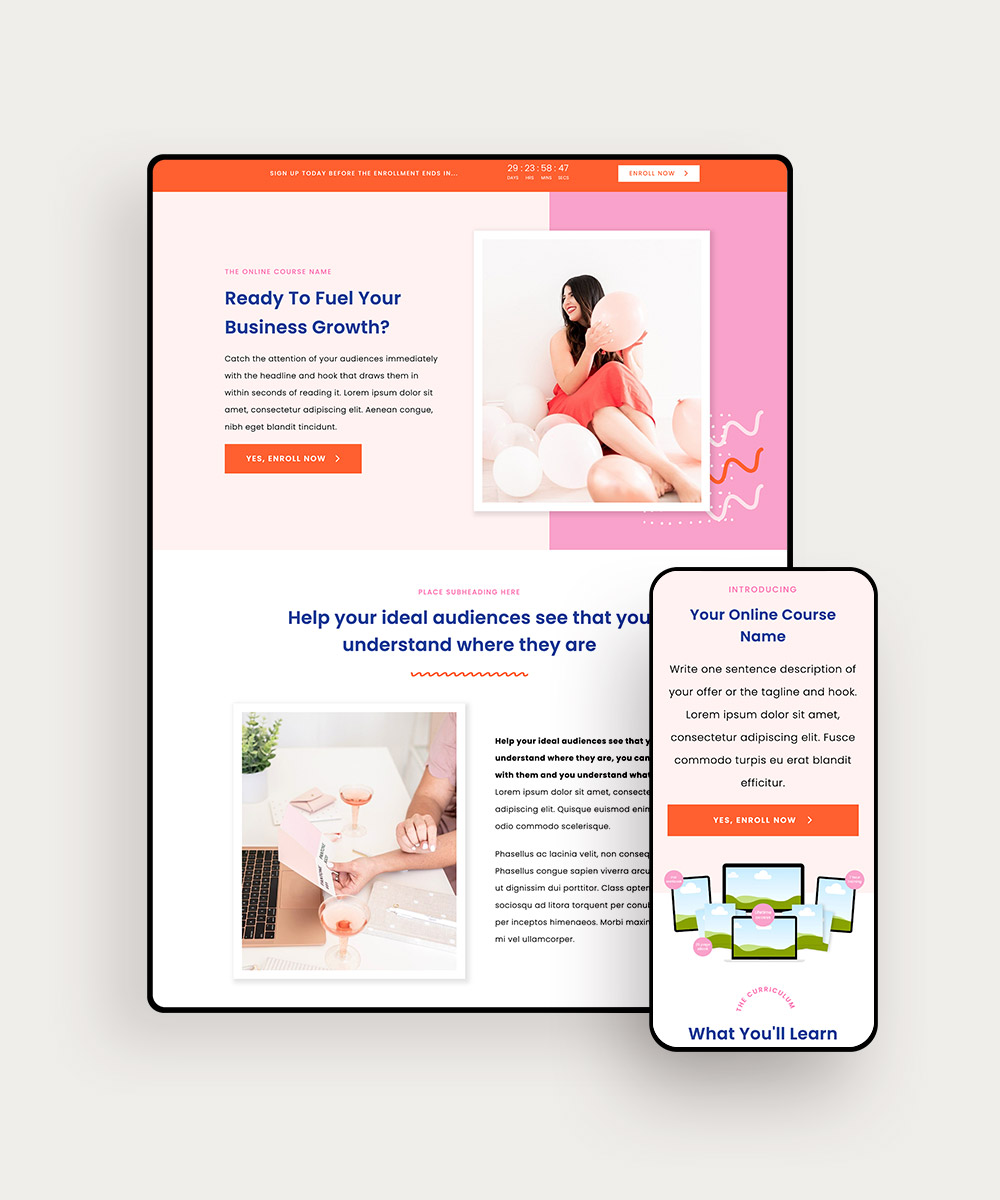
Choose a funnel template that gives you a starting point, add your own copy and branding, connect the tools you already use, and get the basic flow working.
You don’t need a complicated funnel with every feature and automation. Start with a simple path that helps people take the next step.